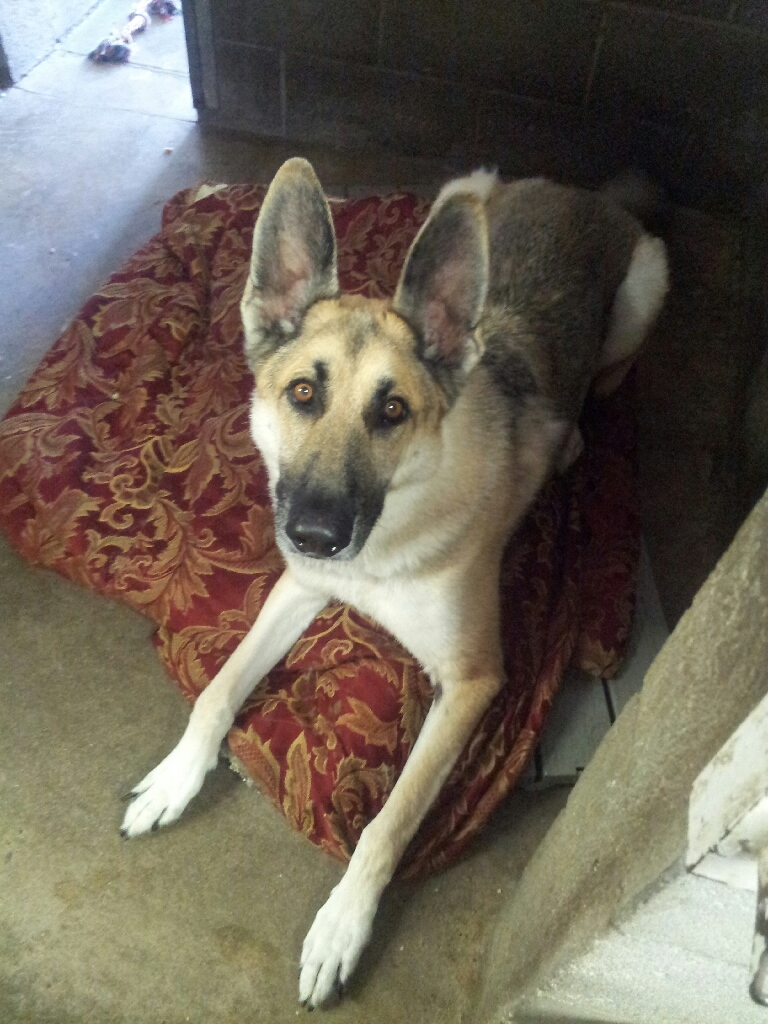
How to Remove Pet Hair from Clothing
Once you have the pet hair in your home relatively under control, focus on getting it off—and keeping it off—your clothing.
1. Pre-treat
Before washing, toss items that have pet hair on them into the dryer and set it on heat-free, tumble only, for ten minutes.
2. Wash
Shake out clothing, then place in washer and wash as usual. Add 1/2 cup of white vinegar to the machine to help loosen pet hair.
3. Dry
Clean the lint filter. Shake out clothing again, then place in dryer, with either a dryer sheet or dryer balls - either one will help release any remaining pet hair. Use the regular settings to dry.
Extra Tips:
• Keep your pets out of your closets!
And your drawers, too! Otherwise, your clean clothes might accumulate a layer of pet hair before you even get the chance to wear them.
• Stock your arsenal!
There are lots of ways to spot remove pet hair from clothes. Lint rollers are a favorite, but you can also use a damp sponge, a squeegee, or a rubber mitt (such as the Love Glove) meant for brushing your pet. Choose a method (or two), and make sure that you have the tools you need when and where you need them.


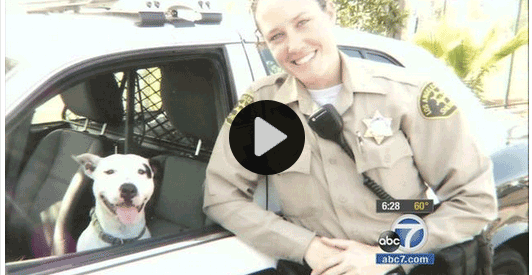
LOS ANGELES SHERIFF’S DEPUTY RESCUES STRAY CATS AND DOGS
For the last three years, Brittany Fraser, 30, has saved the lives of more than 100 animals.
Fraser said she plucks the animals off the street, gets them medical care if they need it and then finds them homes.
“It’s a lot of work. It’s a lot of love, and a lot of poop, but we love it. It’s very rewarding and a lot of vet bills, but we make it work,” she said. “Sometimes it takes about two weeks to find a home and sometimes two years, but we just work on one life at a time.”
Rescuing animals is a part-time job for Fraser. Her career is with the Los Angeles County Sheriff’s Department working for the parks bureau, which gives her plenty of opportunity to come across lost and roaming strays.
She has found mostly dogs and cats, but on occasion she’s also rescued rabbits, a raccoon and a turtle.
Her passion for animals is rubbing off on others. Now her co-workers are stepping in and alerting her when they see a stray instead of ignoring the animal as they may have done in the past. She married one of those co-workers, who is now co-owner of Brick Animal Rescue.
“Whatever it takes, whether it’s 6 in the morning or midnight, if there’s a dog out there that needs our help we’re going to do it,” Nicholas Resendez, Fraser’s husband, said.
Laws prevent Fraser from keeping all the animals she rescues at home so she boards some of them at the All Star Pet Resort in Torrance.
“She’s always very happy and very giving and really has her eye on the prize on getting these dogs adopted,” said Kristina Bellino with All Star Pet Resort.
The original blog located at http://abc7.com/pets/los-angeles-sheriffs-deputy-rescues-stray-cats-and-dogs/638730/

All Star Pet Resort (Torrance, CA) wins the Small Business Achievement Award from Homeland Security.
All Star Pet Resort in Torrance, Ca. was recently selected by the Federal Government for the Department of Homeland Security (DHS) to receive the Small Business Achievement Award of the Year for their exceptional support of the US Customs and Border Protection Agency in their mission requirements.
The staff at All Star Pet Resort has been caring for the Customs and Border Protection canines for 2 years now. They work directly with Agents from US Customs and Border Protection whose dogs they care for while not out in the field.
Accepting the award in Washington DC on behalf of All Star Pet Resort is Marty Mink (left). presenting the award, Ms. Soraya Correa, DHS Headquarters Chief Procurement Officer, Kim Mink, All Star Pet Resort and far right presenting the award, Mr. Richard Gunderson, the Customs and Border Protection head of Contracting Activity.
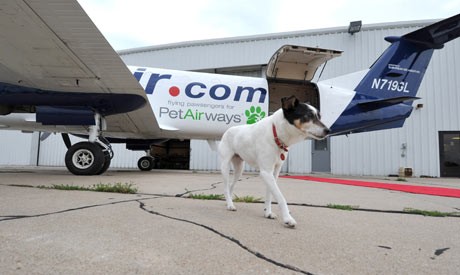
Flying with your pets can dangerous, know if your pet will be safe .
Flying with your pets can dangerous, know if your pet will be safe .
(KTHV) — Steffanie Chin goes everywhere with 1-year-old Zina, a pembrook Walsh Corgie. She’s flown with the dog once under her seat from Little Rock to San Fransisco — but admits she was hesitant.
“I was nervous about traveling with her especially cause she was so young,” said Chin.
She had good reason to be concerned. We found nationwide the number of pets dying, getting hurt or lost during commercial air travel has increased over the past several years. According to Department of Transportation reports, 463 pets died, were injured or lost since May 2005 to August of this year.
So far in 2014, the DOT shows 61 animals dead or hurt, from various ailments. Most were in cargo, not flying in the plane cabin. Dogs and cats fly the most, but we found airlines that also allow smaller pets like guinea pigs and rabbits.
“Do your research. know the specific requirements of the airline you’re flying,” said Dr. Bob Hale of Briarwood Animal Hospital.
DOT INFO:Reporting of pet incidents
But one passenger says he did his research and his 2-year-old mastiff Bam-Bam still didn’t make it.
Airline bag handlers found him dead on a layover in Houston, likely from a heat stroke after being left in a cargo space with no air conditioning. The airline eventually paid nearly $4,000 for a new dog and crate.
Despite the increase in pet deaths, Hale says it’s typically still safe for them to fly if temperatures aren’t below 45 or over 74 degrees.
“It’s always important to call the airlines — you know 10 days before you leave. Call and find out. also find out if you need a health certificate. because some of these airlines are requring a health certificate say if you fly from little rock to Los Angeles,” said Hale.
“And there’s some types of dogs and cats that should never fly. Airline pressure can impact certain flat nose breeds more than others causing respiratory problems. In fact, some airlines have banned them entirely because of an increase in deaths.”
Boxers, pugs, pit bull, Chinese pug, Pekingese, and bull dog are five breeds animal experts say should avoid flying. For cats, Burmese, Himalayan, and Persian.
Keep in mind — Sedating a pet can help with anxiety. Hale prescribes a form of pet Xanax. He suggests owners to try it on their pet before flying.
“Yes it is safe. we are going to give a very small amount. we’re going to give our client just a little bit in case they need more but we are always going to sedate on the lower side of the drug.”
For Chin, Zina is now too big to fly under her seat and putting her in cargo isn’t an option because too many things could go wrong.
“Find a baby sitter. Leave her with family or just drive,” Chin said are her options now.
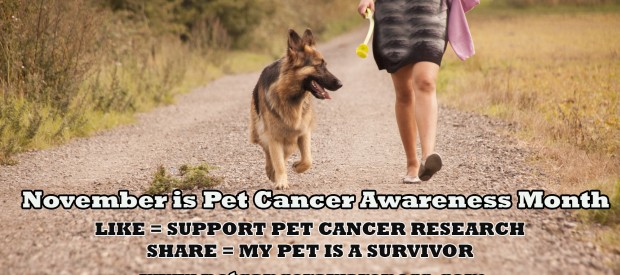
November is Pet Cancer Awareness Month, spread the word.
Early detection is key, Pet Cancer Awareness Month.
If pet cancer is detected early it can be treated more effectively, so it’s important to check your pet regularly for the 10 Early Warning Signs as recommended by the Veterinary Cancer Society.
1. Abnormal, persistent swelling
2. Sores that do not heal
3. Loss of weight
4. Loss of appetite
5. Bleeding or discharge from any body opening
6. Offensive odor
7. Difficulty eating or swallowing
8. Hesitation to exercise or loss of stamina
9. Persistent lameness or stiffness
10. Difficulty breathing, urinating or defecating
If your pet has any of these early warning signs, you should take him or her to your veterinarian as soon as possible for a more complete examination. In addition, you should keep your pet away from environmental toxins like lawn fertilizers and surface and rug cleaners that have warning labels relative to children and pets. Many veterinarians see a link between environmental toxins and cancer.
During the month of November, VPI, a Nationwide company, will donate $5 to the Animal Cancer Foundation (ACF), up to $10,000, for every photo, story or statistic shared on Facebook, Twitter, and Instagram using #CurePetCancer. For more information, visit www.curepetcancer.com. To date, VPI has raised nearly $200,000 to benefit the ACF.
To view the Multimedia News Release, go to: http://www.multivu.com/players/Englis…
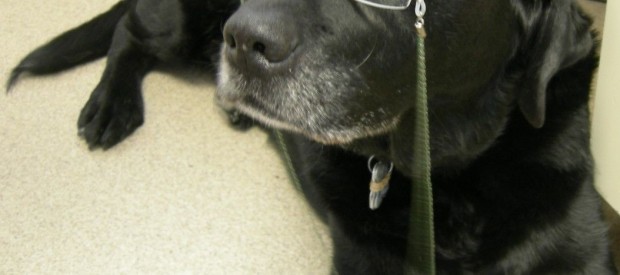
National Adopt a Senior Pet Month
November is National Adopt a Senior pet month and All Star Pet Resort in Torrance, CA wants to share some information with your friends and customers regarding the benefits of adopting and older dog.
Many people walk into a Los Angeles Animal shelter or scour a rescue’s local Los Angeles pet website hoping to adopt a new puppy or kitten, completely overlooking the perfectly adoptable older dogs and cats in kennels and cages in their search.
But this National Adopt a Senior Pet Month, which runs through the end of November, shelters and rescues across Los Angeles County are hoping those looking to adopt a new furry friend will consider adding a senior pet to the family.
According to a Petfinder.com survey conducted for September’s Adopt a Less Adoptable Pet Week, the absolute most difficult group of homeless pets to place are older dogs and cats. Senior pets tend to spend the longest amount of time at a shelter or rescue before finding their forever home — if they find one at all, that is. Older canines and felines of advanced age have higher euthanasia rates than their younger counterparts, and can often live the rest of their lives out in a shelter kennel.
Facts like these make National Adopt a Senior Pet Month so important.
There are plenty of benefits to selecting an older pet over a younger one. Because senior pets are typically calmer and less energetic than puppies and kittens, it is easier to teach them new tricks. In fact, many senior pets are already pros at performing basic commands. Their low-key natures can also make them ideal for households with children.
What some adopters of younger pets are unprepared for is what hard work it can be to housetrain a new puppy or kitten. You have to spend copious amounts of time training a new puppy to do his business outdoors or teach a kitten to remember where the litter box is. But older pets have often come to the shelter after years of living in a home, so they are usually already housetrained, saving you from weeks, months, or in some cases even years of stress.
Understanding the personality of an animal is key to finding the perfect match for your family and for that homeless pet. While young puppies and kittens are still developing their personalities, you’ll know right away whether a senior dog is a snuggle-bug or a senior cat is more of an independent spirit.
Are you interested in adopting a senior dog or cat in honor of National Adopt a Senior Pet Month? Check out the Adoptable Animal Finder on DogTime.com and CatTime.com. Performing a simple search for a senior pet yields plenty of results, and can help you find the perfect dog or cat to complete your family.
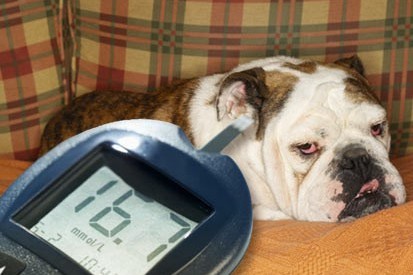
Pet Diabetes Month, is your pet at risk?
During Pet Diabetes Month, All Star Pet Resort in Torrance provides boarding and grooming for many families and pets that suffer from pet diabetes. November s Pet diabetes month. We wanted to share with you some useful information regarding the detection of and care for a pet with diabetes.
It’s Pet Diabetes Month, is my pet at risk?
Lethargy. Excessive thirst. Frequent urination.
If your pet is displaying any of these common signs, he or she may have diabetes.
If you didn’t know your dog or cat could develop diabetes, you’re not alone. Many owners don’t realize diabetes can affect pets too, so learning that your dog or cat has the condition can leave you with many questions.
While there’s no cure for diabetes, proper care can help your pet live a happy, healthy, active life. The more you know about diabetes, the better you’ll be able to work with your veterinarian to successfully manage your pet’s health.
Your veterinarian is an essential partner in your pet’s diabetes care. Only your veterinarian can diagnose diabetes and provide appropriate preventive and management programs.
What Type of Diabetes Do Most Dogs Get?
Diabetes can be classified as either Type 1 (lack of insulin production) or Type II (impaired insulin production along with an inadequate response to the hormone.)
The most common form of the disease in dogs is Type 1, insulin-dependent diabetes, which occurs when the pancreas is incapable of producing or secreting adequate levels of insulin. Dogs who have Type I require insulin therapy to survive. Type II diabetes is found in cats and is a lack of normal response to insulin.
What Are the Symptoms of Diabetes in Dogs?
The following symptoms should be investigated as they could be indicators that your dog has diabetes:
- Excessive thirst/increase in water consumption
- Weight loss
- Increased urination
- Unusually sweet-smelling or fruity breath
- Lethargy
- Dehydration
- Urinary tract infections
- Vomiting
- Cataract formation, blindness
- Chronic skin infections
What Causes Diabetes in Dogs?
The exact cause of diabetes is unknown. However, autoimmune disease, genetics, obesity, chronic pancreatitis, certain medications and abnormal protein deposits in the pancreas can play a major role in the development of the disease.
Which Dogs Are Prone to Diabetes?
It is thought that obese dogs and female dogs may run a greater risk of developing diabetes later in life (6-9 years of age). Some breeds may also run a greater risk, including Australian terriers, standard and miniature schnauzers, dachshunds, poodles, keeshonds and samoyeds. Juvenile diabetes can also be seen and is particularly prevalent in golden retrievers and keeshonds.
How Is Diabetes Diagnosed?
In order to properly diagnose diabetes, your veterinarian will collect information about your dog’s clinical signs, perform a physical examination and check blood work and a urinalysis.
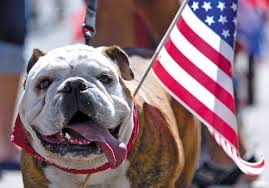
Today is Dogs in Politics Day!
NATIONAL CHECKERS DAY AND DOGS IN POLITICS DAY
Annually celebrated on September 23, it is National Checkers Day which is also known as Dogs in Politics Day.
On September 23, 1952, Vice President candidate, Richard Nixon, gave a speech that was call the “Checkers Speech”. He had been accused of improprieties relating to a fund established by his backers to reimburse him for his political expenses. Wanting to defend himself as his place on the Republican ticket was in doubt, he flew to Los Angeles and delivered a half-hour television address. It was in this speech that Nixon stated that regardless of what anyone said, he intended to keep one gift; a black-and-white dog that had been name Checkers by the Nixon children, thus giving the speech its popular name.
The “Checkers Speech” was seen, or heard, by about 60 million Americans, including the largest television audience to that time and it led to an outpouring of public support.
With Checkers the dog in the speech, that is also how it come to share the name Dogs in Politics Day.

George Washington (no party): 1st U.S. President (1789-1797)
Sweet Lips, Scentwell and Vulcan: American Staghounds
Drunkard, Taster, Tipler, and Tipsy: Black and Tan Coonhounds
John Adams (Federalist): 2nd U.S. President (1797-1801)
Juno and Satan: Dogs

Thomas Jefferson (Democrat-Republican): 3rd U.S. President (1801-1809)
Buzzy and unknown: Briards
James Monroe (Democrat-Republican): 5th U.S. President (1817-1825)
Buddy: Spaniel

John Tyler (Whig-no party): 10th U.S. President (1841-1845)
Le Beau: Italian Greyhound
Franklin Pierce (D): 14th U.S. President (1853-1857)
Seven miniature Oriental dogs

James Buchanan (D): 15th U.S. President (1857-1861)
Lara: Newfoundland
Punch: Toy Terrier

Abraham Lincoln (R): 16th U.S. President (1861-1865)
Fido: Dog

Ulysses S. Grant (R): 18th U.S. President (1869-1877)
Faithful: Newfoundland
Rosie: Dog

Rutherford B. Hayes (R): 19th U.S. President (1877-1881)
Dot: Cocker Spaniel
Hector: Newfoundland
Duke: English Mastiff
Grim: Greyhound
Juno and Shep: Hunting dogs
Jet: Dog

James A. Garfield (R): 20th U.S. President (1881-1881)
Veto: Dog
Grover Cleveland (D): 22nd & 24th U.S. President (1885-89/1893-97)
Poodle

Benjamin Harrison (R): 23rd U.S. President (1889-1893)
Dash: Collie

Theodore Roosevelt (R): 26th U.S. President (1901-1909)
Pete: Bull Terrier
Skip: Rat Terrier
Jack and Peter: Terriers
Blackjack: Manchester Terrier
Manchu: Pekingese
Rollo: Saint Bernard
Sailor Boy: Chesapeake Bay Retriever
Gem and Susan: Dogs

William Howard Taft (R): 27th U.S. President (1909-1913)
Caruso: Dog

Woodrow Wilson (D): 28th U.S. President (1913-1921)
Davie: Airedale Terrier
Mountain Boy: Greyhound
Bruce: Bull Terrier
Warren G. Harding (R): 29th U.S. President (1921-1923)
Laddie Boy: Airedale Terrier
Old Boy: Bulldog

Calvin Coolidge (R): 30th U.S. President (1923-1929)
Rob Roy and Prudence Prim: White Collies
Peter Pan: Terrier
Paul Pry: Airedale Terrier
Calamity Jane: Shetland Sheepdog
Tiny Tim and Blackberry: Chow Chows
Ruby Rouch: Collie
Boston Beans: Bulldog
King Cole: German Shepherd
Palo Alto: Bird dog
Bessie: Collie
Herbert Hoover (R): 31st U.S. President (1929-1933)
King Tut: Belgian Shepherd
Pat: German Shepherd
Big Ben and Sonnie: Fox Terriers
Glen: Scotch Collie
Yukonan: Eskimo dog
Patrick: Irish Wolfhound
Eaglehurst Gillette: Setter
Weejie: Norwegian Elkhound

Franklin D. Roosevelt (D): 32nd U.S. President (1933-1945)
Fala: Scottish Terrier
Majora: German Shepherd
Meggie: Scottish Terrier
Winks: Llewellyn Setter
Tiny: Old English Sheepdog
President: Great Dane
Blaze: Mastiff

Harry S. Truman (D): 33rd U.S. President (1945-1953)
Feller: Cocker Spaniel
Mike: Irish Setter

Dwight D. Eisenhower (R): 34th U.S. President (1953-1961)
Heidi: Weimaraner

John F. Kennedy (D): 35th U.S. President (1961-1963)
Pushinka: Mutt (gift of Russian premier, puppy of Soviet space dog Strelka)
Shannon: Irish Cocker Spaniel
Wolf: (Mutt, possibly part Wolfhound and Schnauzer)
Clipper: German Shepherd
Butterfly, White Tips, Blackie, and Streaker: Offspring of Pushinka and Charlie (his daughter Caroline’s Welsh Terrier)
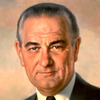
Lyndon B. Johnson (D): 36th U.S. President (1963-1969)
Him and Her: Beagles (Him was the subject of controversy; in 1964, President Johnson lifted the dog up by its ears, claiming “it’s good for [him].”)
Edgar: Beagle
Blanco: White Collie
Freckles: Beagle
Yuki: Mongrel
Richard M. Nixon (R): 37th U.S. President (1969-1974)
Vicki: Poodle
Pasha: Terrier
King Timahoe: Irish Setter
Checkers: Cocker Spaniel (Checkers died while Nixon was vice-president, before becoming president, but had played a major role in his electoral career with the “Checkers speech”)

Gerald Ford (R): 38th U.S. President (1974-1977)
Liberty: Golden Retriever
Misty: Liberty’s puppy born in the White House

Jimmy Carter (D): 39th U.S. President (1977-1981)
Grits: Border Collie (given to his daughter Amy by her teacher, but quickly returned)
Lewis Brown: Afghan Hound

Ronald Reagan (R): 40th U.S. President (1981-1989)
Lucky: Bouvier des Flandres
Rex: Cavalier King Charles Spaniel (First Dog of the United States)
Victory: Golden Retriever
Peggy: Irish Setter
Taca: Siberian Husky
Fuzzy: Belgian sheepdog

George H. W. Bush (R): 41st U.S. President (1989-1993)
Millie: Springer Spaniel (First Dog of the United States)
Ranger: One of Millie’s puppies

Bill Clinton (D): 42nd U.S. President (1993-2001)
Buddy: Bill’s chocolate Labrador Retriever (First Dog of the United States, b.1997-Jan 2, 2002)
George W. Bush (R): 43rd U.S. President (2001-2009)
Spot “Spotty” Fetcher (Mar 17, 1989 - Feb 21, 2004): FemaleEnglish Springer Spaniel named after Scott Fletcher; puppy of Millie; euthanized after suffering a series of strokes.
Barney: Scottish Terrier (First Dog of the United States, 2000 - Feb. 1, 2013)
Miss Beazley (Oct 28, 2004 - May 17, 2014): Scottish Terrier; Nicknamed “Beazley Weazley”; 2005 birthday gift from George to his wife.

Barack Obama (D): 44th U.S. President (2009-Incumbent)
Bo: Portuguese Water Dog (First Dog of the United States)
Sunny: Portuguese Water Dog (August, 2013)
Sources: United States presidential pets, Presidential Portrait (United States)

It’s National Dog Week.
There seems to be a general absence of ticker-tape parades during this year’s National Dog Week, as well as a good bit of misinformation floating around the great big online dog park we call the dogosphere. Sniffing around, we found different sources claiming different dates for celebrating the week, and many references to the celebration’s origin as having started 74 years ago by veteran dog show judge Capt. Will Judy. So we decided to do a bit of digging…
The True Origin of National Dog Week
In fact, National Dog Week did not begin in 1935, but rather in 1928. Yes, this is the 82nd official celebration of our beloved four-legged companions. The distinction of National Dog Week was created by a group of dog fanciers and sportsmen dedicated to a broad nationwide educational campaign for better dog care. This was somewhat revolutionary at the time – just on the eve of the Great Depression – when the majority of dog fanciers were vocal advocates of one particular breed or another.
Back in the Swing Era, breed clubs were filled with passionate devotees to their particular favored pedigreed pups. But the high-minded goals of the founders of National Dog Week envisioned a far broader campaign that would reach out to all dog owners, regardless of their socioeconomic status (or of the registration status of their pups). In fact, their charter included seven specific objectives:
- A good home for every dog
- Elimination of stray dogs from the street
- Better-informed dog owners
- Consideration for dogs and all animals
- Emphasis of the dog’s use as companion and protector
- Fair laws for dogs and dog owners
- Respect for the rights of non-dog owners
They even came up with several slogans to promote their newly created National Dog Week. Our favorie is this one:
“A Dog is the Only True Love Money Can Buy”
Originally, the annual event was sponsored by the Dog Owner’s League of America and the National Dog Week Association which was based in Chicago, Illinois. Neither organization still exists. During the days of the FDR administration, these organizations had a far reach, connecting with legislators throughout America, and working as advocates for better dog laws and more humane policies.
Although the Association has falled to the wayside, National Dog Week is indeed still mentioned each year as a general news item, but without too much fanfare. Some local communities and businesses use this week as a time to promote special activities and dog events. But we believe that this is an annual tradition deserving of a renaissance. Animal rights advocates can use this week as a platform to broadcast issues of great concern to dog owners throughout America.
While we agree that every day we should celebrate our dogs and all of the joys they bring us, we love the idea of a special week – for the simple reason that any excuse for a celebrating mans is fine by us.
And now you know the real story of National Dog Week.
National Dog Week is celebrated during the last full week of September each year. In 2014, National Dog Week runs from September 20 through September 27.

National Pet Memorial Day September 14th, 2014
All Star Pet Resort want to express our love and sympathy one this Pet Memorial Day. We offer a few ways to remember your pet:
- Spend a few minutes reflecting upon pleasant memories of your pet
- Contribute to an animal protection group
- Volunteer at an animal protection group
- Create a small memorial in a flower garden in your yard
- Plant a tree or a shrub as a living memorial: Through the Arbor Day Foundation’s Trees For Pets program, for just $10 you may have 10 trees planted in memory of your pet and a personalized card or certificate identifying where the trees have been planted.
- Think about your late pet. Look at old photos. Talk about your pet with others who were familiar with it. Reflect on all the great memories you made with your pet. If you lost your pet unexpectedly, try to keep your thoughts positive.
- Visit your pet’s burial site. Make a tribute to your pet by decorating its burial site with something it may have enjoyed in life. Talk to your pet while at the burial site.
- Create a small memorial in your pet’s honor. Plant trees, shrubs and flowers to memorialize your pet. These things can remind you of your pet long after National Pet Memorial Day has passed.
- Donate money or time to a charity or organization in honor of your late pet. Choose an organization or charity based on your animal’s breed or a particular cause that is close to your heart. Animal shelters, rescue groups and humane societies all appreciate volunteers.
- Send sympathy cards to former pet owners. National Pet Memorial Day does not have to be a solitary affair. Include everyone who has lost a pet in your observance of National Pet Memorial Day.
All Star Pet Resort is located in Torrance, California and provides dog and cat boarding and grooming for customers all over the great Los Angeles Area. We offer small to extra large dog boarding and our on site groomer has over 50 years of experience. Call us to find out more about our boarding and grooming service at 310-320-8799.
