All the Pets Who’ve Tried to Squeeze into Really Small Spaces
Give this hilarious vid a look, one cat after another just trying to squeeze in to one space or another…. adorable.
WATCH the video below…


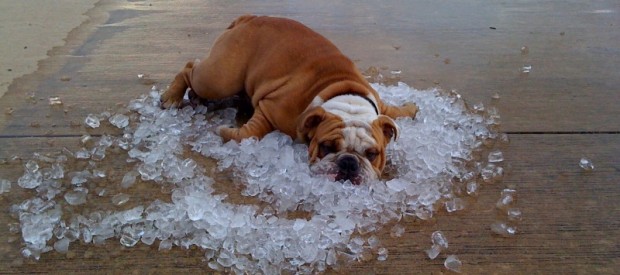
Keeping your pets cool this summer can be a breeze!
With record temperatures around the country, it is important to keep your dogs in mind when it comes to keeping cool. All Star pet Resort is committed to providing expert quality care to your pets in a climate controlled environment all summer long. Book your pets next stay with us by clicking here.
Here are Cesar Milan’s Top 10 Tips for beating the summer heat!
1.) Exercise your dog early in the morning or late at night.
Since these are the cooler parts of the day, this will make the walk more comfortable for both you and your dog. I’m a believer in vigorous exercise for healthy dogs, but this is the time of year to back off on exercise intensity.
2.) Use doggie boots.
You can find these at your local pet supply store. If you can’t walk your dog during the early and later hours of the day, this is a good way of protecting him. Heat rises from the ground, especially on surfaces like cement and asphalt, and dogs absorb and release heat through their feet. Just like boots prevent the dog from absorbing the cold in the winter, they also isolate heat.
3.) Watch for signs of dehydration.
Dogs can’t sweat. They cool off by panting, so an overheated dog will drool excessively. It will become lethargic, its eyes will be bloodshot, and it may appear a little pale. If you lift its skin, it will take longer than usual for the skin to fall back into place.
4.) Keep your dog hydrated!
Different dogs have different needs when battling the heat. Keep in mind that darker coats absorb more heat than lighter coats. Also, overweight dogs are at higher risk for dehydration. Carry a bottle of water when going on a walk with your dog. Better yet have your dog carry it for you in a backpack or a vest! The water in the bottles will keep the dog cooler and also give the dog a sense of purpose.
5.) Find innovative ways to cool your dog.
Don’t have air conditioning? No problem! Find a spot in the shade and set up a kiddie pool. Lay down a wet towel for your dog to lie on. Or simply set up a fan in front of a pan of ice. At the Dog Psychology Center, we have sprinklers that spray the dogs with a gentle mist of water.
6.) Dogs cool from the bottom up.
Make sure to spray the paws and stomach, not just the top of the dog, when spraying it with water. A wet towel does more good on the bottom of your dog than when laid on the top of its coat.
7.) Let your dog dig!
Your dog may resort to finding his own way to avoid the heat. Dog in nature dig their dens not out of frustration but to find food, hide, give birth-or keep cool! If it’s possible, locate a shady area where it’s okay for your dog to dig.
8.) Let your dog check the weather.
Dogs don’t have the Weather Channel, so they don’t know why they are being denied a long walk for the day. Allow your dog to step outside and feel for itself that it is too hot, too wet, or too cold to go on a long walk. Instinctually, the dog will understand that it has to shorten its walk, or simply come back inside where it’s safe.
9.) Never leave your dog in a parked car.
The car retains more heat than an open area, even if it is in the shade. Plus, a dog may get overexcited in the car due to passersby or panic from claustrophobia, making dehydration more likely. On longer trips, make sure you have water for the dog and keep the AC running.
10.) Use hot weather as an excuse to swim more often!
The best activity you can do in summertime or hot weather is swimming. Instead of walking the dog, take the dog on a swim! If you hold on and allow your dog to take you around the pool, it becomes a powerful bonding experience for the two of you, similar to the walk.
Read more: http://www.cesarsway.com/dog-care/dog-health/top-summer-tips#ixzz36bhBBDQt
All Star Pet Resort in Torrance, California. Family owned and operated pet boarding and grooming.
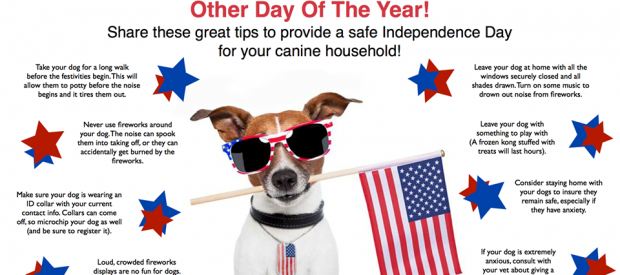
Tips for keeping your pet calm during fireworks this 4th of July.
Your friends at All Star Pet Resort in Torrance, CA are advising fellow pet owners to take SPCA recommended precautions to keep their pets happy and safe over the holiday weekend.
Fireworks often cause pets stress and anxiety, so people should not bring their pets to fireworks displays, where they may run off out of fear, according to the SPCA.
If a pet panics even while at home due to noise from the fireworks, pet owners can talk to their veterinarian about ways to relieve anxiety, according to the SPCA.
As summertime temperatures increase, pet owners should be aware of providing their dogs or cats with plenty of water and access to shade, according to the SPCA. Even hot asphalt can hurt dogs’ sensitive paws.
Dogs should never be left alone in cars, even with the windows down, as temperatures can quickly rise to dangerous levels, according to the SPCA.
And finally, pet owners should be careful to keep certain foods, drinks and substances away from pets during parties and barbecues, according to the SPCA.
Chocolate, coffee, avocado, macadamia nuts, grapes, raisins and raw meat can cause health problems, and alcoholic beverages, matches and lighter fluid can poison pets if ingested, according to the SPCA.

Learn Basic Obedience Commands
We all know that some basic obedience training makes dogs more fun to be around. What many of us don’t know is that it has other, less obvious, benefits. Obedience training helps your dog see you as her leader, and it also gives her a mental workout-something that many canines need just as much as physical exercise to stave off boredom and make them feel useful. And some commands, like a good recall, may even save your dog’s life one day.
Here are the basics every dog should know:
Walking on leash
How to teach commands
These guidelines will make training easier for you and your dog:
1. Be consistent.
Use the same cue for the same command each time. If you use “come” one week, “come here” the next, and “come here, girl” the following, you’ll confuse your dog.
2. Start simple and gradually make it harder.
You want to go step-by-step and give your dog lots of practice getting it right. Start with an easy command in a familiar place with no distractions. Once your dog is responding consistently, add what trainers call the three D’s: distance, duration, and distractions. Stand one step away from your dog, then two steps away; ask for a one-second stay, then a two-second stay; add a bouncing ball, some treats scattered on the ground, or another dog or person to the mix.
Wait until your dog has mastered the current challenge before you add a new one. If she flubs it, just take away one of the challenges and try again, going more slowly this time.
3. Don’t repeat the command.
It’s easy to do, but it teaches your dog that she doesn’t need to respond promptly to the first command.
4. Use food treats as lures and rewards.
There are many methods for training, but one of the best is to use food treats, both as a lure to get your dog where you want her to go and as a reward for obeying the command. If your dog isn’t that interested in food, try offering verbal praise without the treat, a favorite toy, or a physical reward such as a good behind-the-ears scratch or tummy rub.
5. Time it right.
The praise and reward needs to come immediately after the dog does what you want if she’s going to make the connection-“Hey, if I sit when she says ‘sit,’ I get a treat!”
6. Make rewards sporadic, then phase them out.
Dogs are more motivated by unpredictable rewards. Once your dog gets the idea of what you’re asking her to do, dish out treats only for the best responses-the quickest sit, the best down. Then vary the type, amount, and frequency of the reward; sometimes your pup gets a yummy treat, sometimes she gets a tummy rub, other times she just gets an enthusiastic, “Goooood girl.” Eventually, you can phase out the food rewards altogether.
7. Keep it short and sweet.
Training will be most effective if it’s fun and you stop before either of you gets bored or frustrated. Keep the mood upbeat, not drill-sergeant serious, and make the sessions short. Five or ten minutes is plenty to start with, or you can do many mini-training sessions throughout the day, especially if you have a puppy-like kids, they have shorter attention spans.
8. Mix up people and places.
If you want your dog to obey your child, your spouse, your dog walker, and so on, and to be as biddable in the kitchen as she is in the yard, practice having different people give commands in different settings.
9. Keep your cool.
Yelling, hitting, or jerking your dog around by a leash won’t teach her how to sit or come on request. It will teach her that you’re scary and unpredictable, and that training’s no fun. If you feel your fuse burning short, just end the session and try again later. Fair, calm, consistent training is the best way to get your dog to obey and respect you.
10. Once your dog knows a few commands, practice “Nothing in life is free.”
Always ask your dog to obey a command before you give her a treat, a toy, a meal, a game or walk, a tummy rub, or anything she wants. If she ignores the command, put down the food bowl, the leash, or whatever she’s hoping for, and try again a minute or two later. This helps reinforce your role as the leader of the pack.
11. Keep practicing.
Don’t expect that once your dog has learned something, she’s learned it for life. She can lose her new skills without regular practice.
Bottom line: Basic commands not only teach helpful skills, they reinforce your role as your dog’s leader. Using treats to lure your dog into the correct position or place, and then to reward her for obeying, is one of the easiest and most dog-friendly methods.
Learn more about us. Click here.
this and other great blogs just like itcan be found at DOGTIME.com
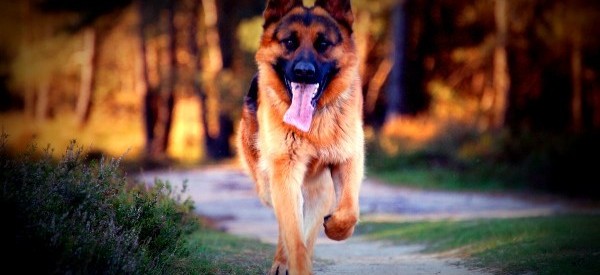
Teaching your dog the COME Command
The “come” command-also known as the recall-is one of the most important skills to teach your dog. Not only will a solid recall help you avoid those embarrassing games of catch-me-if-you-can when you’re trying to leave the dog park, but it will help keep your dog safe off-leash.
How to teach “come”
Start by practicing indoors or in a fenced backyard, where there aren’t too many tempting distractions. If your dog sticks to your side like glue and you can’t get far enough away to ask her to come, have a friend hold your dog while you take a few steps away from her.
With a treat in your hand, back up a few feet, squat down, and open your arms in a welcome gesture, waggling the treat and telling her “come!” in an enthusiastic, happy tone of voice.
As soon as your dog starts moving in your direction, praise and encourage her in a warm, positive tone: “Atta girl! Gooood dog!” If she stops or starts wandering away from you, immediately stop the praise. When she starts coming toward you again, start in once more.
When your dog makes it all the way to you, offer the tasty treat as well as enthusiastic praise and pets. Then tell your dog, “Go play!” and let her go back to whatever she was doing for a minute or so.
Repeat the exercise.
Once your dog has practiced the recall a few times, start offering treats sporadically, only after the fastest recalls. Eventually you can phase out food rewards completely-although praise and pets are of course always appreciated, and they help cement in your dog’s brain that coming when called is a good thing.
If it’s not working
If your dog hasn’t had a chance to figure out what this recall business is all about, don’t reprimand her for not responding. Just call her name, ask her again to come, and start jogging backward, away from the dog, to stimulate her to follow. Clapping your hands may also convince her that this is a fun game she wants to join. Start praising the dog as soon as she moves toward you.
If you’ve been practicing the recall for a while, you can tell her to come again in a sharper tone. If she obeys, praise her and show her the treat in your hand, but don’t give it to her. Back up a few steps and ask her to come, and give her the treat if she obeys. This shows her that she needs to come on the first call if she wants the reward.
If she doesn’t come the second time you call her, remove any tempting distractions, such as another dog or toys nearby. This helps teach her that when she doesn’t obey the recall, the fun ends.
With the “come” command in particular, we owners are often the ones causing the problem. Consider whether you’re making these common mistakes:
Expecting too much, too soon. To teach a really solid recall, you want to add in extra challenges very gradually, and make it easy for the dog to get it right. If she gets it wrong, she’s practicing a bad habit-namely, running away when you ask her to come. If you need to get your dog but know she probably won’t respond to your recall, just walk up to her and snap on the leash.
Punishing the dog once she gets to you. This is the cardinal sin of teaching “come.” It doesn’t take a canine genius to figure out that if a scolding or punishment is waiting for her when she comes, she’d really rather head in the opposite direction, thank you very much. Never punish your dog when she comes to you, and call her in an upbeat tone of voice. If you sound furious, your dog is less likely to obey.
Using the recall only to do something unpleasant. If your request to come is usually followed by shoving your dog outside, leaving the dog park, subjecting her to a bath, or any other item on a dog’s list of least-favorite things, she’ll quickly learn to dread and avoid it. Practice recalls often during walks, games, and trips to the dog park, and then let your dog get back to the fun.
Moving toward your dog when you’re calling her. This can seem like a fun game of tag for your dog-and you’re it. Moving away from your dog when you call her, on the other hand, will lure her to follow you.
Advanced “come”
To set your dog up for success, you’ll want to start out easy and gradually make it more challenging. Begin teaching the recall indoors or in a fenced yard, then outside on a leash, then outside with a longer leash, and then outside on a leash with a distraction added to the mix-someone throwing a ball, a friend’s dog romping around, and so on. If your dog’s recall disintegrates, make it easier-standing closer to your dog perhaps, or taking away a few of the distractions-and try again.
The ultimate test is the dog park, a place of fascinating smells and fun playmates. When you first practice the recall in the dog park, start with your dog on-leash and ask her to come several times, rewarding her with a treat and praising her whenever she responds.
You can let her off-leash once she’s obeying consistently, but call her back to you periodically, praising and rewarding her when she arrives. Then tell her, “Go play!” and let her go back to the fun and games. If most recalls end with a treat, a tummy rub, and then a release to go back to her playmates, she won’t ever come to dread-and ignore-the sound of your voice yelling, “Come!”

Teaching your dog the STAY Command
The simple act of holding still is a huge challenge for some dogs, especially wriggly young pups. To teach a rock-solid stay, start small and make it easy for your dog to get it right. For an energetic young puppy, that may mean half-second stays. That’s fine-from half a second you can build to one second, then two, and on from there. Many short, successful stays are better for your dog’s obedience skills than a long stay that ends with wandering dog and a frustrated owner.
How to teach “stay”
Start in a spot that’s familiar to your dog, without any tempting distractions around. Keep your dog focused on you by standing right in front of her, giving her your full attention, and looking her in the eye. With a treat in your hand, ask your dog to sit or lie down.
If your dog holds the position for a second or two, praise her and give her a treat.
Repeat the process, this time making your dog hold the position for a few seconds longer before you give her the treat.
Once your dog is responding reliably, add the verbal cue. Ask your dog to sit or lie down, then tell her “stay,” holding your hand out with your palm toward her nose in the “stop” position. If she holds the position for a second or two, praise her and offer a treat. Repeat the sequence, gradually tacking on a second or so each time to ask for a longer stay.
If it’s not working
The moment your dog breaks the stay, say “SIT! Stay” or “DOWN! Stay,” depending on which position she was originally in. Then try again for a shorter stay.
If you’ve been practicing for a while and your dog knows the stay command, you can make your voice sharp, like a reprimand, when she’s moving out of position. But don’t punish: by the time you catch up with your dog, she’s already broken the stay, and she’ll associate the punishment with what she was doing at the moment you punished her-allowing you to catch her-not with breaking the stay. That’s not what you want.
Advanced “stay”
Once your dog has the hang of the “stay” command, you can slowly make it more challenging. Stand a foot away from your dog when you ask her to stay, then two feet away, and keep increasing the distance. Ask her to stay when your back is turned; when there’s another person or dog in the distance, then fairly close by, then right next to your dog; when you’re bouncing a ball; when there’s kibble scattered around her; and so on.
Add a new challenge only if your dog is responding reliably. If your dog ever breaks a stay, take away a challenge-make the stay shorter, remove the distractions, or stand closer to her-and try again.

Teaching your dog the DOWN command
After your dog has learned the “sit” command, it’s time to teach “down.” Start in a familiar place, like your house or yard, where there aren’t any tempting distractions.
How to teach “down”: The food lure method
The easiest way to teach “down” is to use a tasty food treat or piece of kibble, both to lure your dog into a down position and then to reward her for obeying the command.
Holding a tasty treat in your hand, ask your dog to sit.
Waggle the treat in front of your dog’s nose and lower it straight down
As soon as her belly hits the floor, praise her and offer the treat.
Repeat the exercise several times.
Once your dog is quickly lying down when you lure her with the treat, introduce the verbal cue: Tell her “down” just before you move the treat from in front of her nose down to the floor.
As your dog begins to get the hang of the “down” command, begin to offer treats sporadically-only for the quickest, crispest downs. Eventually you can phase out food treats entirely.
If it’s not working
Your dog stands up instead of lying down. If your dog stands up, just keep the treat closed in the palm of your hand until she lies down. If she starts to ease down to the floor, coax and encourage her. And as soon as her belly hits the floor, praise her and offer the treat.
Your dog lowers her head to the floor and raises her rump in the air. Move the treat toward her chest, and her back end should come down.
How to teach “down”: The under-the-leg method
1. Sit on the floor with your dog to your side. Keep one knee drawn up to create a tunnel big enough for your dog to crawl through.
2. Hold a treat in the hand opposite the side your dog is on. Put your hand under your drawn-up leg to show your dog the treat. Then slowly drag the treat along the floor and away from your dog, back through the tunnel you’ve created for her under your leg. Your dog will have to lie down to crawl through the tunnel if she wants the treat. As soon as her belly hits the floor, praise her and offer her the treat.
3. Repeat the exercise several times.
4. Once your dog is quickly lying down when you lure her with the treat, introduce the verbal cue: Tell her “down” just before you move the treat from in front of her nose down to the floor.
Advanced “down”
Once your dog has the hang of the “down” command, you can slowly make it more challenging. Stand a foot away from your dog when you ask her to lie down, then two feet away, and keep increasing the distance. Tell her “down” when your back is turned; when there’s another person or dog in the distance, then fairly close by, then right next to your dog; when you’re bouncing a ball; when there’s kibble scattered around her; and so on.
Add a new challenge only if your dog is responding reliably. If your dog gets confused, take away the challenge and try again, moving more slowly this time.
Teaching Your Dog to Sit
“Sit” is one of the simplest commands, but it’s incredibly useful-after all, your dog can’t jump all over a guest, dash into traffic, or do any number of things you don’t want her to do when she’s sitting.
How to teach “sit”: The food lure method from a standing position
This method uses a food treat or piece of kibble both to lure your dog into the sitting position and to reward her for responding to the command. If your dog isn’t very motivated by food, you can use a favorite toy in place of the treat.
Slowly move the treat from just in front of your dog’s nose, then up and back over her muzzle to between her eyes. Keep the treat just an inch or so away from your dog the whole time. As your dog’s head tilts up to follow the treat, her rear end should automatically go down.
As soon as your dog’s butt hits the ground, praise her and give her the treat.
Repeat the exercise several times.
Once your dog gets the hang of it, introduce the verbal cue: Tell her “sit” just before you move the treat from in front of her nose to above her head.
Once your dog starts to respond reliably, begin to offer treats sporadically, only for the quickest, crispest sits. Eventually you can phase out food treats entirely.
If it’s not working
Your dog jumps up. You’re holding the food lure too high-try again with the food just an inch above your dog’s head.
Your dog backs up. You may be moving the treat too far back over your dog’s head; aim for between her eyes. If that doesn’t work, you can try putting your dog in a corner when you practice the “sit” command.
How to teach “sit”: The food lure method from a down position
With your dog lying down, quickly move the food lure up and back over her muzzle, starting from in front of her nose and moving toward her eyes.
As your dog’s head goes up to follow the treat, she should rise into a sitting position. Praise her as soon as her butt hits the floor, and reward her with the treat.
Repeat the exercise several times.
Once your dog gets the hang of it, introduce the verbal cue: Tell her “sit” just before you move the treat from in front of her nose to above her head.
When your dog starts to respond reliably, begin to offer treats sporadically, only for the quickest, crispest sits. Eventually you can phase out food treats entirely.
If it’s not working
Your dog doesn’t sit up. Your pup may not realize the treat is there. Try waggling the treat or clapping your hands to get her attention.
Your dog rolls over onto her back. If you take one step back and pat the ground in front of your dog’s nose, she’ll probably roll back onto her stomach. As soon as she’s on her tummy, move the lure from in front of her nose to between her eyes to get her to rise into the sitting position.
How to teach “sit”: Alternate method
Whenever you’re around your dog and see her start to sit, tell her “sit.” As soon as her rear end hits the floor, praise her and reward her with an ear scratch, tummy rub, or a treat if you have one on hand. She’ll soon begin to associate the word “sit” with the action.
Advanced “sit”
Once your dog has the hang of the “sit” command, you can slowly make it more challenging. Stand a foot away from your dog when you ask her to sit, then two feet away, and keep increasing the distance. Ask her to sit when your back is turned; when there’s another person or dog in the distance, then fairly close by, then right next to your dog; when you’re bouncing a ball; when there’s kibble scattered around her; and so on.
Add a new challenge only if your dog is responding reliably. If your dog gets confused, take away the challenge and try again, moving more slowly this time.
Recommended Torrance Veterinarians
Recommended Torrance Veterinarians
When your pet vacations at All Star Pet Resort we will need to see your pet’s vaccine information upon arrival, we require current vaccination records:
For CATS, FVRCP (Feline Viral Rhinotracheitis, Calicivirus, Panleukopenia) and Rabies.
To make it easier we offer suggestions to Local Torrance Veterinarians that offer dependable services.
Affordable Animal Care Clinic - Torrance veterinary care
Affordable Animal Clinic Torrance is a full service animal hospital and will take both emergency cases as well as less urgent medical, surgical, and dental issues. Dr. Oshry & Dr. Camuso are experienced in all types of conditions and treatments. Beyond first rate pet care, we make our clinic comfortable and friendly and a very welcoming environment, so your pet can relax in the waiting room and look forward to meeting his or her own Torrance veterinarian.
We have a number of resources for you to learn about how to take better care of your pets. Browse around and look at our articles and pet videos. The best veterinary care for animals is ongoing nutrition and problem prevention. If you want to ask a question call 310-781-1434 or email us and we’ll promptly get back to you. Our Torrance veterinarian office is very easy to get to, and you can find directions on our Contact Us page.

Jansen Animal Hospital - Torrance veterinary care
Jansen Animal Hospital - If you live in Torrance or the surrounding area in CA, then you have picked the perfect site to find a veterinarian. Dr. Tracie Uchima is a licensed veterinarian, treating all types of pets and animals. Your pet’s health and well being is very important to us and we will take every step to give your pet the best possible care.
Jansen Animal Hospital is a full service animal hospital and will take both emergency cases as well as less urgent medical, surgical, and dental issues. Tracie Uchima is experienced in all types of conditions and treatments. Beyond first rate pet care, we make our clinic comfortable, kid-friendly, and a very calm environment so your pet can relax in the waiting room and look forward to meeting his or her own Torrance veterinarian.
Stop My Dog From Digging
We all have come out to our backyards and discovered with much horror some new “landscaping” from our dog friends. Many dogs have a natural predilection for digging and while an occasional hole in the backyard isn’t a big deal, some dogs just don’t know when to stop. So why do dogs dig holes?
There are several reasons why dogs dig holes. Dogs are den animals and in an earlier time would dig out dens to rest in (i.e. below-ground dog sleeping areas). Fundamentally, dogs digging in the ground and then lying down is a instinctual action to essentially create an-in-yard-bed in your backyard. In other cases dogs dig to create a cooler or warmer place to rest, are hunting ground-dwelling animals, are creating a place to bury valuable items (and of course forget about them later!), or they simply are entertaining themselves. In any case, here are some ideas how to control your dog’s digging impulse and keep your yard intact.
Entertainment Digging
This can be the most problematic digging behavior as your dog is digging for the sake of digging itself. The solution to this problem is to not leave your dog alone outside (to begin with), and keep them entertained while they are outside to tire them out and give them an alternative venue for entertainment. What types of games does your dog like to play? Try playing with them outside more often and see what kind of impact that has on your dog’s digging.
Treasure Digging
If your dog likes to bury their treats instead of eating them, the best way to begin eliminating this behavior is to limit the amount of bury-able treats they receive. Think about giving your dog small eatable treats in place of larger treats that they do not finish eating immediately. Some experts suggest creating an acceptable burying area for your dog to re-use for burying their treats, but this means you will have at least one hole in your yard.
Digging for Small Animals
Dogs love to chase small animals (even if they never actually catch them!). If you have moles, chipmunks, and ground squirrels in your yard your dog may not be able to resist the urge to dig up the ground and try to catch those little guys. In order to prevent this digging you may wish to set live traps and try to catch and release the small animals to an alternate area. By removing the small animals, your dog will not have the urge to dig up holes searching for them.
Den Digging
Den digging can be a dog’s reaction to overly hot or cold temperatures. If you find your dog is digging holes in your yard and lying in them you may need to provide more outdoor shelter. Look in to buying an insulated doghouse and see if that provides the temperature control and sense of shelter that your dog is looking for.
What reasons does your dog dig for? Have any great pictures of your dog in action? Post a reply!
This and more outstanding dog training articles are located at the 0utstandingpet.com blog, go directly to the the original post by clicking here.
